
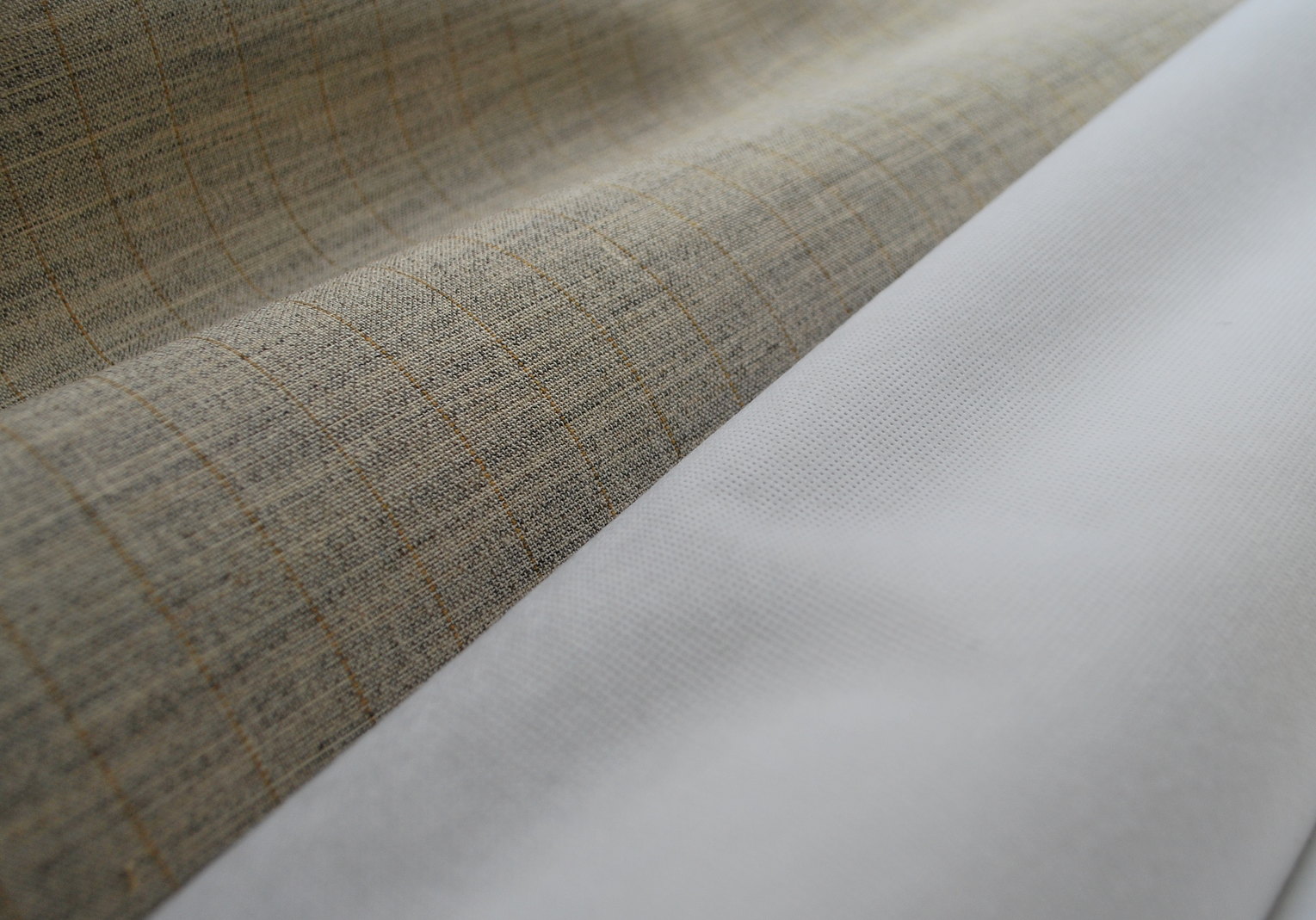
In the sector of clothing production, fabric commonly takes a middle degree; however, what lies underneath the floor is just as important. Interlining, an internal layer hidden between the outer cloth and lining, plays a crucial role in the way a garment appears, feels, and lasts. Whether it’s the crispness of a blouse collar, the sharpness of a in shape lapel, or the sturdiness of a purse lining, interlining is the silent hero. As we pass 2025, with developing purchaser demand for better, high-quality garments and longer-lasting clothing, premium interlining has become more crucial than ever. Brands that want to maintain their popularity for excellence are increasingly investing in premium interlining to ensure sturdiness, form retention, and luxury.
Interlining is a layer of fabric material inserted between the outer cloth and the internal lining of a garment. Its primary reason is to offer shape, assist, and sturdiness. It facilitates garments to maintain their form, strengthens susceptible areas, including collars and waistbands, and contributes to the overall aesthetic enchantment via developing an easy and polished appearance. Premium interlining, especially, is designed with superior technology to supply better adhesion, superior material compatibility, and greater performance under strain.
One of the largest blessings of the usage of top-rate interlining is the improved garment shape it presents. A nicely-tailor-made shirt or match depends on interlining to keep it looking sharp. Premium interlining prevents collars from sagging, lapels from losing form, and plackets from wrinkling — making sure that garments hold a sparkling and crisp appearance even after multiple washes. Beyond structure, premium interlining increases durability. Garments with exceptional interlining are better able to withstand the day-to-day stresses of wear and tear. In workwear, for instance, interlining reinforces high-pressure points like waistbands and button areas, making them resistant to fraying or distortion.
Comfort is another reason why top-rate interlining is preferred. Unlike cheaper, stiffer options, top-class interlining is lightweight, breathable, and tender to the touch. This ensures that the wearer reports no discomfort, even in garments that require shape, together with formal shirts and suits. Additionally, top-class interlining gives manufacturing consistency. For fashion manufacturers and large-scale garment manufacturers, consistency is key. Premium interlining behaves predictably throughout bulk manufacturing, ensuring that all garments in a batch keep the same healthy look and end. Another critical advantage is its wash-and-dry smooth sturdiness. Many low-great interlinings bubble, peel, or reduce after laundering, resulting in client dissatisfaction and product returns. Premium interlining resists these issues, retaining its adhesion, form, and smoothness even after repeated cleansing cycles.
The applications of top-rate interlining are significant. In formal shirts, it’s often used in collars, cuffs, and plackets to keep them established and wrinkle-free. In suits and blazers, interlining performs an essential function in shaping lapels, chest portions, and waistbands, ensuring they appearance sharp and expert. High-best fusible interlining additionally prevents the bubbling that regularly appears after dry-cleaning. In clothes and ethnic wear, interlining provides extent to pleats and hems, and presents stability to embroidery and embellishments. Outerwear and jackets also advantage from interlining in hoods, collars, and front facings, delivering power and higher safety against wind. Even purses, belts, and caps use interlining to achieve a dependent and sturdy design.
When it comes to types, top-class interlining is available in several forms, inclusive of fusible, non-fusible, woven, non-woven, and knitted types. Fusible interlining makes use of warmness-activated adhesive to bond with material, making it perfect for shirts, suits, and dresses. Non-fusible (or sew-in) interlining requires sewing and is commonly used for luxury garments or couture portions wherein a natural drape is desired. Woven interlining is tender and flexible, best for premium shirts and fits, at the same time as non-woven interlining is lightweight and cost-effective, making it suitable for industrially produced garments. Knitted interlining is stretchable and normally utilized in sportswear and garments that require flexibility. Premium interlining providers regularly offer green, OEKO-TEX certified, and cut-back-resistant varieties to satisfy international standards.
For fashion manufacturers, the decision to use premium interlining is a strategic one. High-quality interlining can at once affect brand popularity because purchasers recognize the distinction. Crisp collars, established silhouettes, and sturdy garb enhance a logo’s perceived value. Premium interlining also facilitates lessen returns and proceedings, as it prevents unusual issues like effervescent and shrinking that lead to dissatisfaction. Moreover, premium interlining supports better marketplace positioning. Luxury and top-class fashion manufacturers often advertise their use of superior interlining as a selling factor to justify higher prices. With growing recognition of sustainability, many top-rated interlinings are made with eco-friendly adhesives and recyclable materials, allowing brands to fulfill their environmental desires.
Choosing the proper premium interlining includes several issues. Fabric compatibility is essential — the interlining has to be examined with the outer material to ensure sure right bonding and shrinkage compatibility. The weight and hand-feel of the interlining must shape the garment; a light cotton blouse requires a light interlining, whereas a heavy wool blazer requires a heavier one. Wash care is the other key element. Interlining must be selected based on whether the garment can be gadget-washed or dry-cleaned. Finally, for large production runs, manufacturers prefer interlining that is easy to fuse, gives regular, satisfactory results, and reduces ordinary manufacturing time.
Several global providers are recognized leaders in top-class interlining production. Freudenberg Performance Materials (Germany), Kufner Textiles (Europe), Chargeur PCC (France), Hymo Corporation (Japan), and STK-Interlining (India) are among the pinnacle players providing a huge variety of woven, non-woven, fusible, and stretch interlining designed for garb brands. These groups are continuously innovating, growing products that are longer lasting, environmentally friendly, and cost-effective.
Technology performs a big function in the modern interlining industry. In 2025, interlining manufacturing includes advanced resin era, computerized reducing, and precision fusing structures that ensure higher performance and minimal errors. Artificial intelligence is getting used to test and reveal coating quality, guaranteeing the interlining plays constantly throughout all production batches. These improvements are not only effective in store time but also lessen waste, making the process greater sustainable.
Top-class interlining is the unsung hero of garment production, immediately influencing garment shape, comfort, and lifespan. It improves the arrival and performance of clothing even as decreasing production defects and patron lawsuits. As customers become more high-quality-conscious and sustainability-targeted, top-rate interlining is turning into a critical part of fashion production strategy. For designers, apparel producers, and fashion marketers, investing in premium interlining is no longer a choice but an aggressive necessity. By using premium interlining, they can deliver clothes that look better, last longer, and elevate their emblem reputation in the marketplace.
Benefits of Using Premium Interlining
- Enhanced Garment Structure
A well-tailored shirt or suit is based on interlining to maintain its crisp form. Premium interlining prevents sagging collars, limp lapels, or wrinkled plackets, making the garment appearance sparkling even after a couple of washes.
- Increased Durability
Garments with notable interlining withstand each day stress. For instance, in workwear, interlining strengthens strain points like waistbands and button areas, making sure they do not fray or distort effortlessly.
- Improved Comfort
Premium interlining is lightweight, breathable, and gentle, which means that it doesn’t make clothes feel stiff or heavy. This is important in formal shirts, attire, and suits.
- Consistency in Production
Fashion brands decide upon top-class interlining as it plays continually for the duration of bulk production, ensuring uniformity in shape and look across large garment batches.
- Wash and Dry-Clean Durability
Low-pleasant interlining can bubble, peel, or shrink after washing. Premium alternatives retain adhesion, form, and smoothness, increasing consumer pride.
Applications of Premium Interlining in Garment Manufacturing
- Formal Shirts
- Collars, cuffs, and plackets use interlining to live crisp and structured.
- Premium interlining avoids collar curling or cuff wrinkling after laundering.
- Suits and Blazers
- Lapels, chest portions, and waistbands depend upon interlining for form retention.
- High-nice fusible interlining prevents effervescent after dry-cleaning.
- Dresses and Ethnic Wear
- Adds quantity to pleats and hemlines.
- Provides stability to embroidery or gildings.
- Outerwear and Jackets
- Used in hoods, collars, and the front facings for power and wind resistance.
Why Premium Interlining Matters for Fashion Brands
- Brand Reputation
Customers choose quality through garment feel and performance. Crisp collars and established suits elevate brand value.
- Fewer Returns & Complaints
Using low-excellent interlining frequently results in effervescent issues that could trigger product returns. Premium interlining minimizes such dangers.
- Better Market Positioning
High-end style brands use premium interlining as a promotional point for “luxury” or “tailored” collections.
- Sustainability Goals
Eco-pleasant top-class interlining helps a logo’s commitment to accountable fashion.
Key Considerations When Choosing Premium Interlining
- Fabric Compatibility
Always test interlining on a fabric swatch to ensure the right adhesion and shrinkage compatibility.
- Weight and Hand-Feel
Choose interlining that complements the outer fabric’s weight and drape. A light-weight cotton shirt has mild interlining, while a wool blazer has a heavier one.
- Wash Care Requirements
Pick interlining that withstands gadget wash or dry cleaning, depending on the garment’s wear.
- Production Volume
For bulk manufacturing, pick interlining that is straightforward to fuse, has consistent quality, and reduces production time.
Top Global Suppliers of Premium Interlining (2025)
- Freudenberg Performance Materials (Germany)
- Kufner Textiles (Europe)
- Chargeur PCC (France)
- Hymo Corporation (Japan)
- STK-Interlining (India/Export)
These suppliers offer a wide variety of woven, non-woven, fusible, and stretch interlining designed for worldwide garment brands.
The Role of Technology in Modern Interlining
In 2025 interlining manufacturing uses superior resin technology, automated cutting machines, and precision fusing systems. AI-primarily based first-class testing ensures uniform coating and minimizes human mistakes, making top-rate interlining extra reliable than ever.
Premium interlining is the unsung hero of garment manufacturing. It guarantees higher shape, comfort, and durability — key elements that define patron pride and emblem loyalty. As style trends shift closer to exceptional, long-lasting, and sustainable garments, investing in premium interlining is now longer optionally but a strategic benefit.
Leave a Reply